Qu'est-ce qui caractérise un fabricant fiable d'équipements de réfrigération industrielle ?
Choosing a reliable industrial refrigeration equipment manufacturer is an important decision for businesses that depend on stable cooling performance, energy efficiency, and continuous production. Industrial refrigeration systems are widely used in food processing, chemical manufacturing, pharmaceuticals, metallurgy, petroleum, and other industries. The quality of refrigeration equipment directly affects operating costs, production efficiency, and long-term system reliability. Therefore, businesses should evaluate a manufacturer's technical capabilities, product quality, manufacturing experience, customization services, and after-sales support before making a purchasing decision. One of the most important factors is product quality. Industrial refrigeration equipment must withstand demanding operating conditions, including temperature fluctuations, moisture exposure, pressure changes, and continuous workloads. A reliable manufacturer should implement strict quality control procedures throughout the production process, from raw material selection to final equipment inspection. High-quality components, precise fabrication, and consistent manufacturing standards help improve equipment durability and reduce the risk of unexpected failures.
Technical expertise is another essential consideration. Different industrial applications require different cooling capacities, refrigerants, heat transfer methods, and operating conditions. An experienced manufacturer should understand these requirements and provide suitable equipment recommendations. Its engineering team should be capable of evaluating cooling loads, system configurations, installation conditions, and operational requirements to help customers select the most appropriate refrigeration solution. A comprehensive product range is also a sign of a capable industrial refrigeration equipment manufacturer. Businesses may require evaporative condensers, closed circuit cooling towers, condenser coils, air coolers, evaporators, and related refrigeration accessories. Working with a manufacturer that offers multiple types of cooling equipment can simplify equipment selection and help ensure better compatibility between different components. It also provides greater flexibility when customers need to expand or upgrade their existing refrigeration systems.
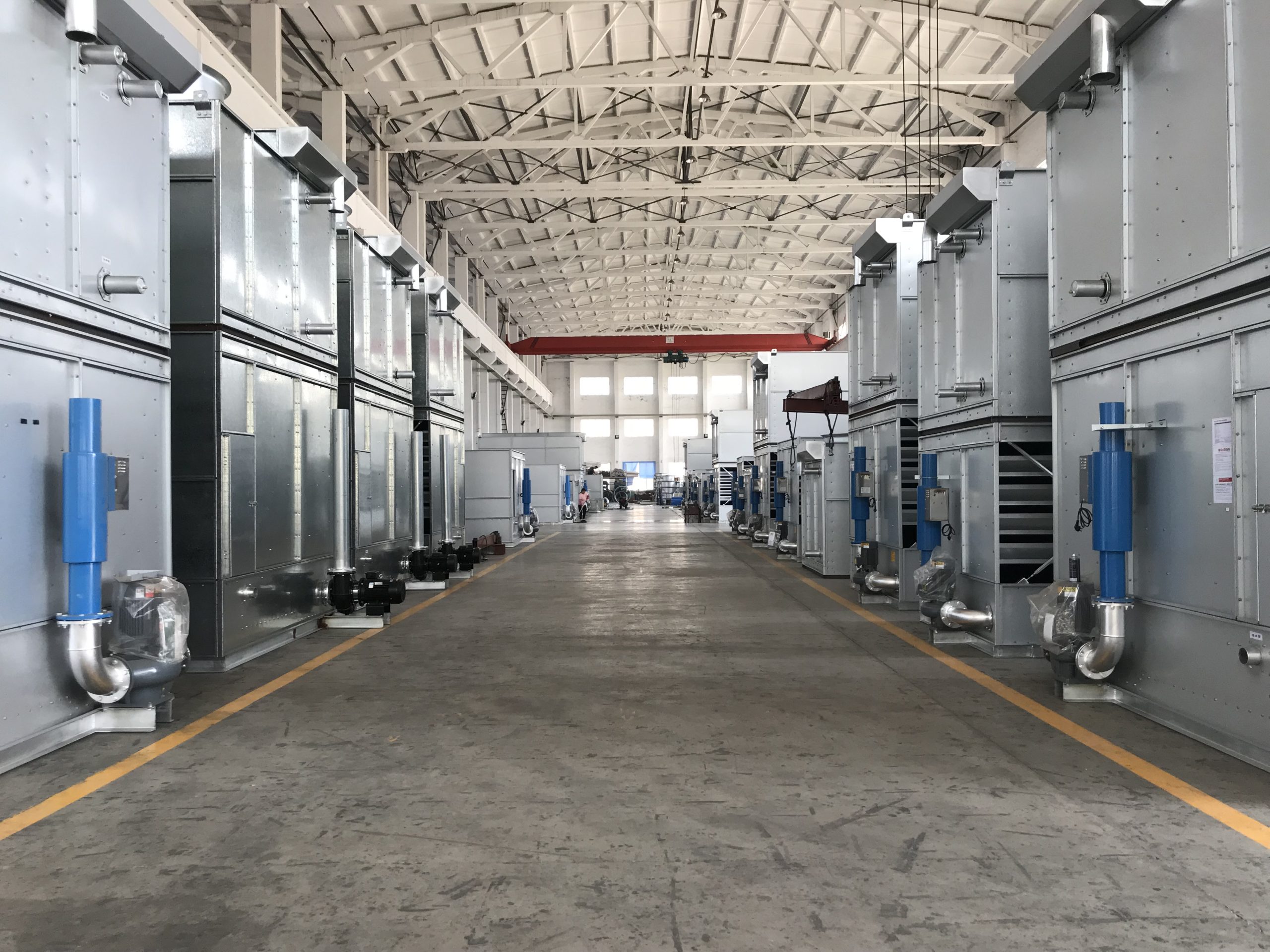
Customization capabilities are particularly valuable for industrial projects. Standard equipment may not always meet the specific requirements of a production facility because of limited installation space, unusual heat loads, specialized refrigerants, or unique operating conditions. A reliable manufacturer should be able to evaluate these challenges and develop customized solutions where appropriate. OEM services and tailored equipment configurations can help customers achieve better integration with their existing systems while meeting their operational needs. Manufacturing facilities and production technology also influence equipment quality. Advanced CNC machinery, precision cutting and bending equipment, standardized production procedures, and professional assembly processes can improve manufacturing consistency. A well-organized production facility is better positioned to maintain dimensional accuracy, manage production schedules, and deliver equipment that meets specified technical requirements. Customers should also consider whether the manufacturer has sufficient production capacity to support their project size and delivery expectations.

Energy efficiency is another important factor when evaluating refrigeration equipment suppliers. Industrial cooling systems often operate for extended periods, making electricity consumption a significant part of their total operating costs. A dependable manufacturer should consider heat transfer performance, fan efficiency, water distribution, refrigerant circuit design, and system operating conditions when developing its products. Efficient equipment can help reduce unnecessary energy consumption while maintaining the required cooling capacity. Reliable delivery and responsive communication are equally important. Delays in equipment supply can affect installation schedules, production planning, and project budgets. A professional manufacturer should communicate clearly about technical specifications, production progress, delivery arrangements, and installation requirements. Timely responses to customer questions help prevent misunderstandings and make cooperation more efficient, particularly when handling customized equipment or international orders.
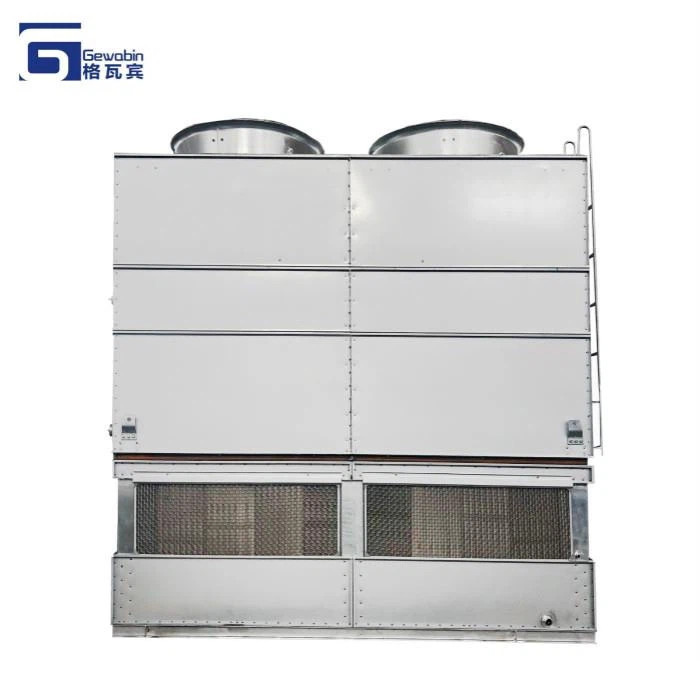
After-sales service should also be included in the selection process. Even high-quality refrigeration equipment requires regular inspection, maintenance, and occasional component replacement. A reliable supplier should provide clear technical documentation, operating guidance, maintenance recommendations, and assistance with troubleshooting when needed. Accessible technical support can help customers identify problems earlier, reduce downtime, and maintain stable system performance throughout the equipment's service life. Jiangsu Gewabin Heat Technology Co., Ltd. is a manufacturer and trader specializing in industrial refrigeration equipment. With a 20,000-square-meter production base and an experienced team of engineers, technicians, and production personnel, the company provides evaporative condensers, closed circuit cooling towers, condenser coils, air coolers, and evaporators. Its product range includes cross-flow and counter-flow evaporative condensers designed for different industrial cooling requirements. The company also offers customized products and OEM services according to customer specifications, supporting applications across refrigeration, chemicals, metallurgy, petroleum, food and beverage, and other industries.
Ultimately, selecting a reliable industrial refrigeration equipment manufacturer requires looking beyond the initial purchase price. Product quality, technical expertise, customization capabilities, manufacturing capacity, energy efficiency, delivery reliability, and after-sales support all contribute to the overall value of an equipment supplier. By carefully evaluating these factors, businesses can choose a manufacturing partner that meets their technical requirements, supports long-term operational stability, and helps improve the efficiency of their industrial refrigeration systems.