كيف تؤثر سعة المكثف التبخيري على أداء التبريد الصناعي
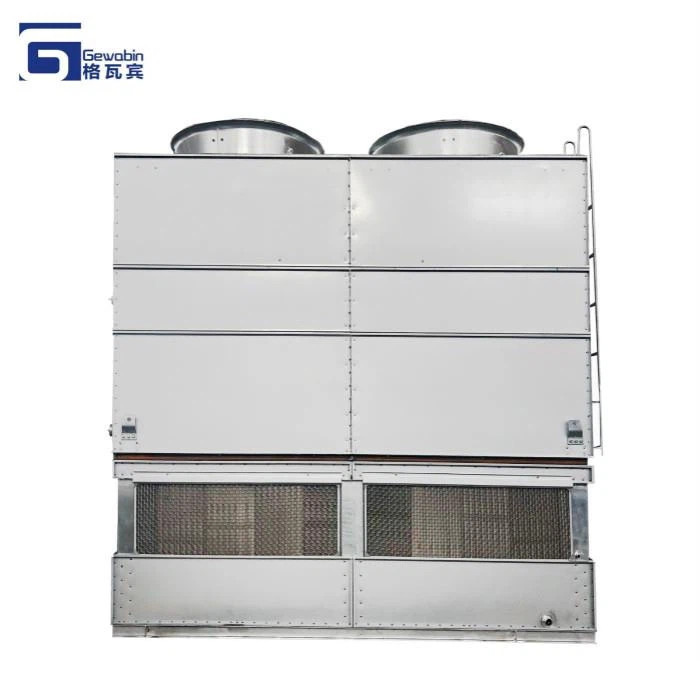
Evaporative condensers are essential components in industrial refrigeration systems, providing efficient heat rejection and helping maintain stable operating conditions. From food processing and cold storage to chemical manufacturing, pharmaceuticals, and other industrial applications, the performance of the condenser has a direct influence on the efficiency and reliability of the entire refrigeration system. Among the many factors that determine condenser performance, capacity is particularly important. Selecting an evaporative condenser with the appropriate capacity ensures that the system can effectively handle its heat load without unnecessary energy consumption or operating problems. Evaporative condenser capacity generally refers to the amount of heat the equipment can reject under specified operating conditions. During the refrigeration cycle, the compressor raises the temperature and pressure of the refrigerant vapor before it enters the condenser. The condenser must then remove both the heat absorbed during the refrigeration process and the heat generated by compression. If the condenser capacity is properly matched to the refrigeration system, the refrigerant can condense efficiently and return to the next stage of the cycle in a stable condition.
An undersized evaporative condenser may struggle to remove the required amount of heat. When this happens, condensing pressure can rise, forcing the compressor to work harder to maintain the required refrigeration capacity. Higher compressor workload generally leads to increased electricity consumption and operating costs. Prolonged operation under excessive pressure can also place additional stress on compressors and other system components, potentially reducing equipment lifespan and increasing the risk of unexpected maintenance. An oversized condenser presents a different set of considerations. Although having additional heat rejection capacity may appear beneficial, excessive capacity can increase the initial equipment investment and may result in inefficient operation if the system is not properly controlled. Fans, pumps, and water circulation systems still require energy, so equipment should be appropriately selected according to actual operating requirements. A properly sized condenser provides an effective balance between cooling performance, energy efficiency, installation cost, and long-term operating expenses.
Heat load calculation is therefore an essential step when determining evaporative condenser capacity. Engineers need to consider the refrigeration load, compressor heat, refrigerant type, condensing temperature, ambient wet-bulb temperature, and operating conditions. Production schedules and future changes in cooling demand should also be considered. A facility with seasonal or fluctuating loads may require a condenser design that can operate efficiently under different conditions rather than simply being selected according to the maximum theoretical load. Refrigerant type can also influence condenser selection. Ammonia and Freon-based refrigeration systems have different thermodynamic characteristics and operating requirements. The condenser coil, heat transfer surface, operating pressure, and construction materials must be compatible with the selected refrigerant. For ammonia refrigeration, properly designed evaporative condensers can provide highly efficient heat rejection, making them suitable for demanding industrial applications with large cooling loads.

Climate conditions are another important factor affecting required condenser capacity. Evaporative condensers rely on evaporation to remove heat, so ambient wet-bulb temperature has a direct effect on their thermal performance. A condenser operating in a hot and humid environment may require greater capacity than one installed in a cooler, drier climate. Considering local environmental conditions during equipment selection helps ensure reliable performance even during periods of peak temperature and humidity. Airflow and water circulation also influence the effective capacity of an evaporative condenser. Fans must provide sufficient airflow across the heat exchange surfaces, while spray systems need to distribute water evenly over the condenser coil. Poor airflow or uneven water distribution can reduce heat transfer efficiency even when the nominal equipment capacity appears adequate. High-quality components such as efficient fans, properly designed spray systems, and effective drift eliminators contribute to stable thermal performance.
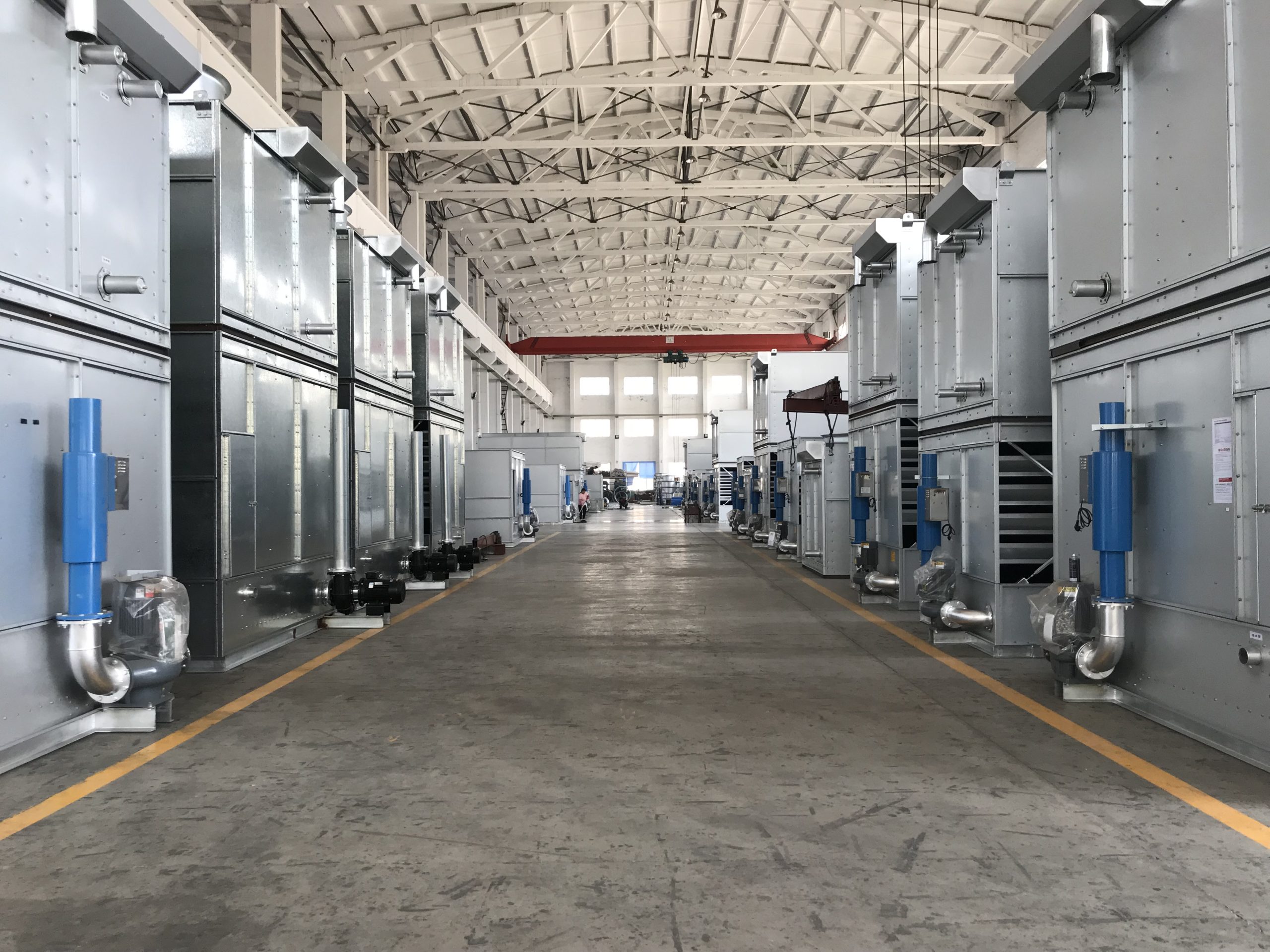
Regular maintenance is equally important for preserving the designed capacity of an evaporative condenser. Scale, dirt, corrosion, and biological deposits can accumulate on heat exchange surfaces and reduce heat transfer efficiency. Clogged spray nozzles may cause uneven water distribution, while damaged fans can reduce airflow. Routine cleaning, water treatment, inspection, and component maintenance help ensure that the condenser continues to deliver its intended capacity throughout its service life. At Jiangsu Gewabin Heat Technology Co., Ltd., evaporative condensers are developed for a wide range of industrial refrigeration requirements. The company offers GWBS cross-flow and GWBN counter-flow evaporative condenser series, with different models and specifications designed to meet varied cooling capacities. Its engineering and production capabilities also support customized refrigeration equipment according to customer requirements, including solutions for ammonia and Freon applications.
Ultimately, the correct evaporative condenser capacity is essential for maintaining efficient and reliable refrigeration performance. Proper capacity selection helps control condensing pressure, reduce compressor energy consumption, improve heat transfer, and protect system components. By evaluating heat load, refrigerant type, climate conditions, airflow, water circulation, and future production requirements, businesses can select equipment that provides an effective balance between performance and cost. In conclusion, evaporative condenser capacity has a direct impact on the overall performance of industrial refrigeration systems. Choosing equipment that is neither undersized nor unnecessarily oversized allows businesses to achieve stable cooling, efficient energy use, and dependable long-term operation. With professional engineering support and appropriately customized equipment, industrial facilities can optimize heat rejection performance while reducing operating costs and improving the reliability of their refrigeration systems.