مزايا أنظمة التبريد ذات الدائرة المغلقة في التطبيقات الصناعية
Closed-loop cooling systems are widely used in modern industrial facilities because they provide reliable temperature control while reducing direct exposure of circulating water to external contaminants. These systems are commonly applied in chemical processing, metallurgy, petroleum, food production, electronics, and other industries where stable cooling performance is essential. By circulating cooling water or another heat transfer fluid through a contained circuit, closed-loop systems help protect equipment, improve operational stability, and simplify water management. One of the main benefits of closed-loop cooling systems is reduced contamination. Unlike open cooling arrangements, a closed circuit limits direct contact between the circulating fluid and the surrounding environment. This helps reduce the entry of dust, debris, and other external substances into the cooling circuit. Cleaner circulating fluid can help protect heat exchangers, pipes, and sensitive industrial equipment from deposits that may interfere with normal operation.
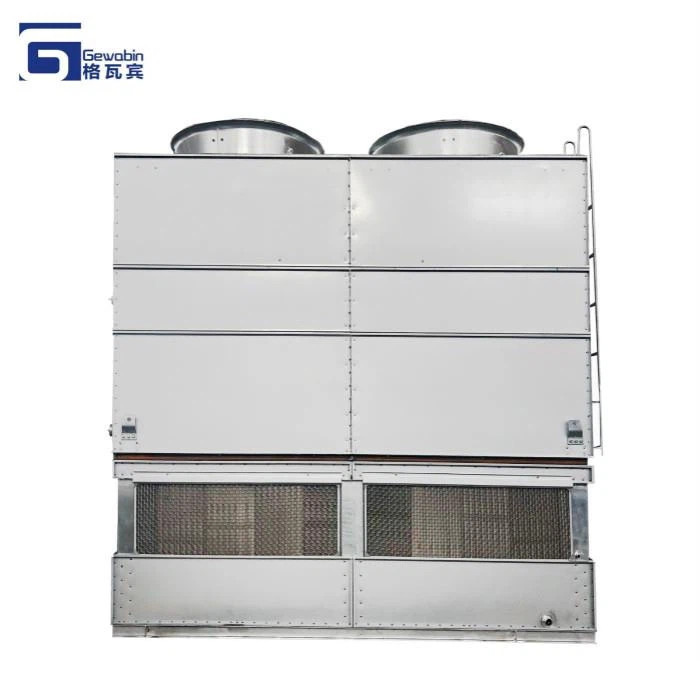
Water conservation is another important advantage. In a closed-loop system, the process fluid circulates repeatedly instead of being continuously discharged and replaced. When combined with suitable heat rejection equipment, such as a closed circuit cooling tower, the system can reduce the need for frequent fresh water replenishment. Although some water may still be lost through evaporation and other operating processes, appropriate system design and water management can help control overall consumption. Closed-loop cooling systems can also improve heat transfer reliability. Industrial equipment often generates heat continuously, and unstable cooling temperatures can affect production quality and equipment performance. By maintaining a controlled circulation path, closed-loop systems help deliver consistent cooling to critical machinery and production processes. This is particularly valuable in applications where temperature fluctuations must be minimized.
Another benefit is reduced corrosion and scaling risk within the process circuit. Because the circulating fluid is less exposed to external contaminants and changing environmental conditions, its chemical properties can be managed more consistently. Appropriate water treatment and corrosion inhibitors can further protect internal surfaces. This helps reduce deposits, maintain heat exchange efficiency, and extend the service life of important system components. However, proper monitoring and treatment remain necessary to prevent water quality problems. Closed-loop cooling systems are also suitable for protecting sensitive industrial equipment. Many manufacturing processes involve machinery that requires clean and stable cooling water. Contamination or mineral deposits can damage internal passages and reduce equipment performance. A closed circuit helps isolate process equipment from the external cooling environment, making it a practical option for cooling industrial machinery, hydraulic systems, compressors, and specialized production equipment.
Maintenance requirements can also become more manageable with a properly designed closed-loop system. Reduced exposure to external contaminants may lower the frequency of certain cleaning and maintenance activities. Operators can focus on monitoring fluid quality, checking pumps and valves, inspecting heat exchangers, and maintaining cooling tower components. Preventive maintenance remains essential, but a well-managed closed circuit can help reduce unexpected problems and improve equipment availability. Energy efficiency is another consideration. Closed-loop systems can use heat exchangers to transfer heat from the process fluid to a secondary cooling circuit. When combined with properly selected cooling towers, pumps, and fans, the system can provide effective heat removal under different operating conditions. Efficient heat exchanger design and appropriate pump control can help reduce unnecessary energy consumption while maintaining the required cooling capacity.
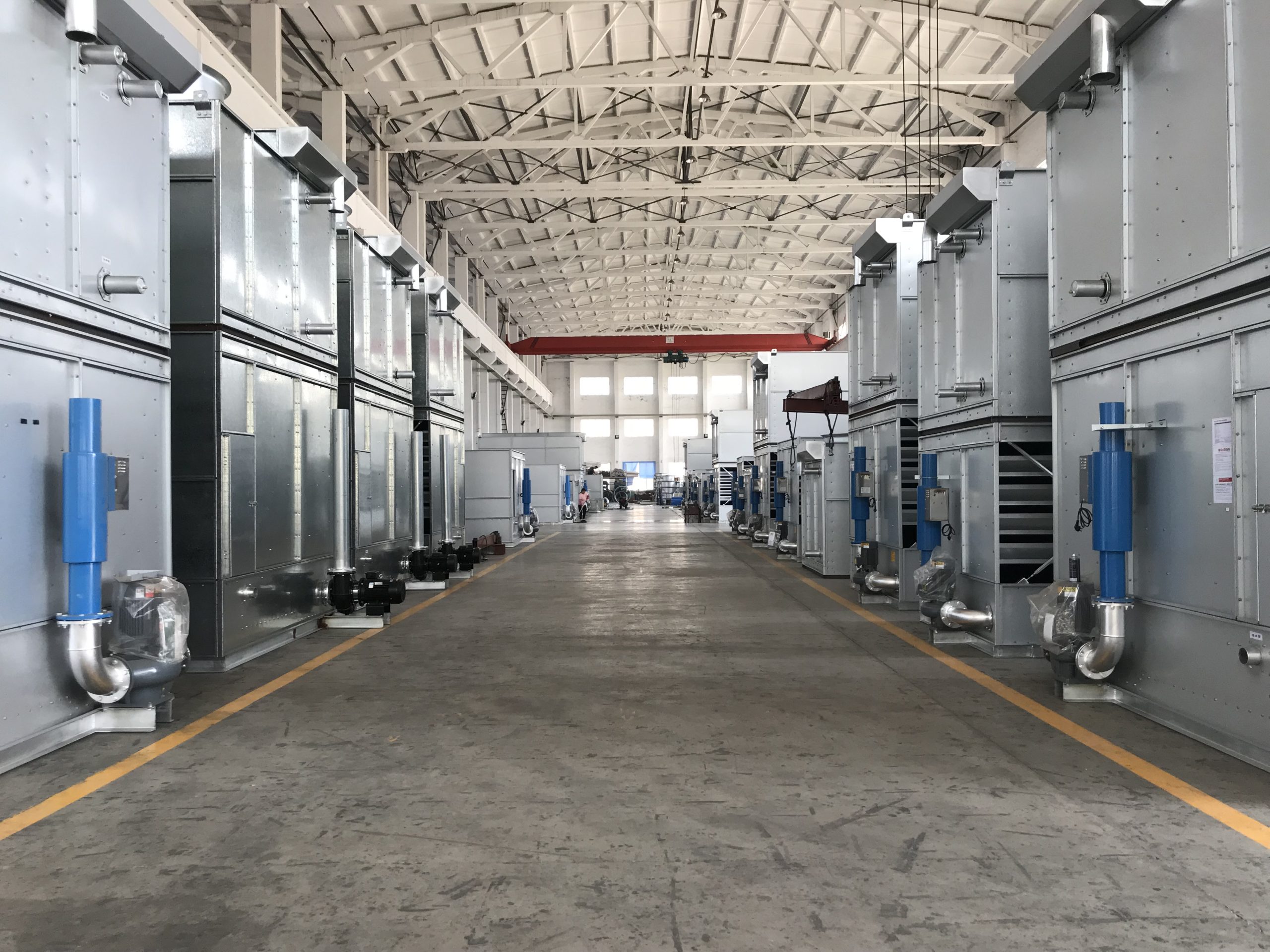
The flexibility of closed-loop cooling systems makes them suitable for various industrial environments. Different facilities have different heat loads, installation spaces, temperature requirements, and operating conditions. System designers can select suitable heat exchangers, circulation pumps, cooling towers, and control components according to specific project needs. This flexibility allows closed-loop cooling solutions to be integrated into both new industrial installations and existing production facilities. Equipment quality and proper system design are essential for achieving these benefits. Jiangsu Gewabin Heat Technology Co., Ltd. specializes in industrial refrigeration and cooling equipment, including GWBB closed circuit cooling towers, evaporative condensers, condenser coils, air coolers, and evaporators. With an experienced technical team and a 20,000-square-meter production base, the company provides customized equipment according to different cooling capacities, installation conditions, and customer requirements. Its products support applications in chemical processing, metallurgy, petroleum, food and beverage, and other industries.
In conclusion, closed-loop cooling systems offer several advantages for industrial applications, including reduced contamination, improved water management, stable heat transfer, better protection of process equipment, and more manageable maintenance. When properly designed and operated, these systems can support reliable production while helping businesses control long-term operating costs. Selecting suitable cooling equipment and maintaining appropriate water quality are key steps toward achieving efficient and dependable closed-loop cooling performance.