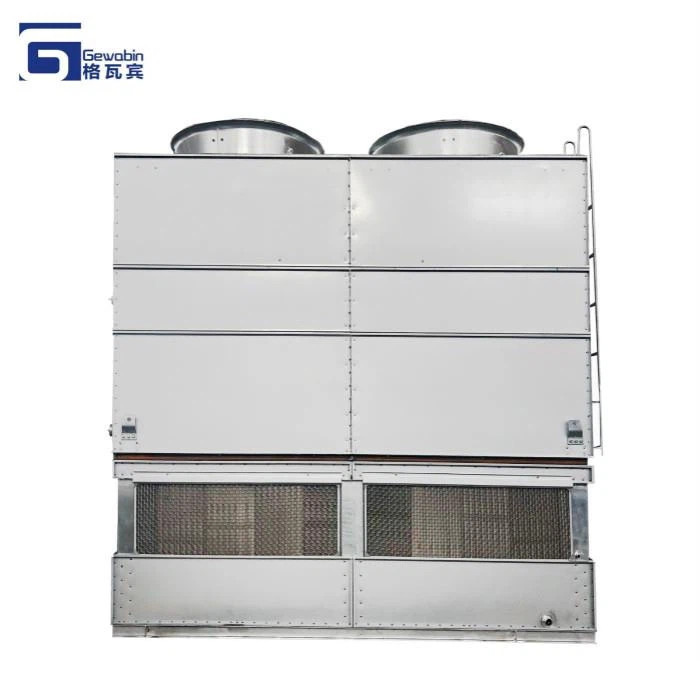
Warum Korrosionsschutz bei industriellen Kühlanlagen wichtig ist
Industrial cooling equipment operates in demanding environments where moisture, circulating water, chemicals, and temperature changes can gradually damage metal components. Evaporative condensers, closed circuit cooling towers, condenser coils, and other refrigeration equipment are particularly exposed to conditions that may accelerate corrosion. Effective corrosion protection is essential for maintaining equipment performance, extending service life, reducing maintenance costs, and ensuring reliable industrial operation. Corrosion occurs when metal surfaces react with oxygen, water, dissolved salts, or chemical substances in the surrounding environment. In industrial cooling systems, continuous exposure to water and humid air can increase the risk of deterioration. Over time, corrosion may weaken structural components, damage heat exchange surfaces, and affect the reliability of essential equipment. Without appropriate protection, these problems can lead to unexpected repairs and interruptions to production.
One of the most significant effects of corrosion is reduced heat transfer efficiency. Industrial cooling equipment relies on effective heat exchange to remove unwanted heat from refrigeration systems and industrial processes. When corrosion products accumulate on metal surfaces, they can interfere with heat transfer and reduce cooling performance. The system may then require more energy to maintain the desired operating temperature, increasing overall operating costs. Corrosion protection also helps maintain the structural strength of cooling equipment. Components such as condenser coils, support frames, water collection pans, fasteners, and equipment housings must withstand continuous operation and environmental exposure. Severe corrosion can weaken these components and increase the likelihood of leakage or mechanical failure. Selecting suitable materials and protective treatments helps preserve equipment integrity and supports long-term operational safety.
Water quality is another important factor in corrosion prevention. Industrial cooling systems may circulate water containing dissolved minerals, salts, and other impurities that influence corrosion rates. Incorrect water treatment or poor control of water chemistry can accelerate damage to metal surfaces. Regular water testing, appropriate treatment programs, and effective maintenance help control these risks and keep cooling equipment operating under suitable conditions. Different industries also present different corrosion challenges. Chemical plants may expose equipment to aggressive substances, while coastal facilities can experience higher levels of airborne salt. Petroleum, metallurgy, food processing, and other industrial operations may have specific environmental conditions that affect equipment durability. Manufacturers and system designers should therefore consider the installation environment, water characteristics, operating temperature, and potential chemical exposure when selecting materials and protective methods.
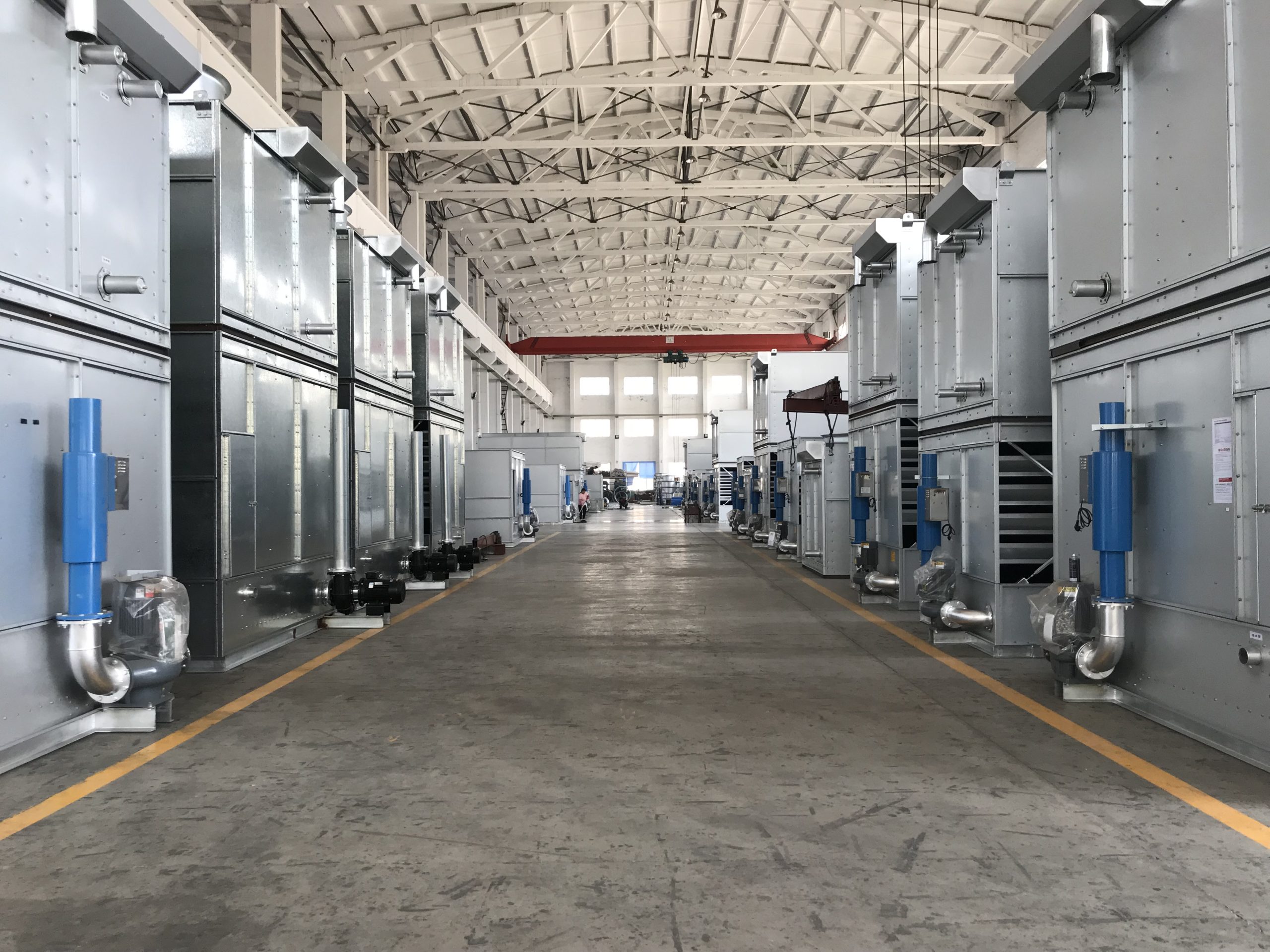
Material selection plays a major role in corrosion resistance. Depending on the application, stainless steel, appropriately coated carbon steel, and other corrosion-resistant materials may be suitable for different components. However, no single material is ideal for every operating environment. The correct choice depends on factors such as water chemistry, chemical exposure, temperature, cost, and expected service life. Protective coatings and surface treatments can provide additional defense when selected and applied appropriately. Regular inspection and preventive maintenance are equally important. Operators should check exposed metal surfaces, welded joints, fasteners, water pans, piping connections, and condenser coils for signs of corrosion. Early warning signs may include discoloration, surface deposits, pitting, flaking coatings, or water leakage. Identifying these problems early allows maintenance teams to take corrective action before the damage becomes more extensive. Cleaning, repairing protective coatings, and replacing severely deteriorated components can help preserve equipment reliability.
Effective corrosion protection can also improve the total cost of ownership. Although corrosion-resistant materials and protective treatments may increase initial equipment costs, they can reduce the frequency of repairs, minimize replacement expenses, and extend equipment service life. For facilities that rely on continuous refrigeration or industrial cooling, preventing unplanned downtime can be especially valuable. A well-protected cooling system can deliver more consistent performance and help businesses manage maintenance budgets more effectively. Manufacturing quality is another important part of corrosion prevention. Proper material handling, precise fabrication, suitable welding procedures, consistent surface treatment, and thorough inspection all contribute to equipment durability. Jiangsu Gewabin Heat Technology Co., Ltd. specializes in industrial refrigeration equipment, including evaporative condensers, closed circuit cooling towers, condenser coils, air coolers, and evaporators. The company also provides customized equipment according to customer requirements, helping industrial users select solutions suited to their applications and operating conditions.
In conclusion, corrosion protection is a fundamental consideration in the design, selection, and maintenance of industrial cooling equipment. By combining suitable material selection, effective surface protection, proper water treatment, regular inspection, and quality manufacturing, businesses can reduce equipment deterioration and maintain reliable heat transfer performance. Investing in corrosion protection from the beginning helps extend service life, control operating costs, and support the long-term efficiency of industrial refrigeration and cooling systems.