The Impact of Climate Conditions on Cooling Tower Performance
- Téléphone:+86-13867612832
- E-mail:gewabin@163.com
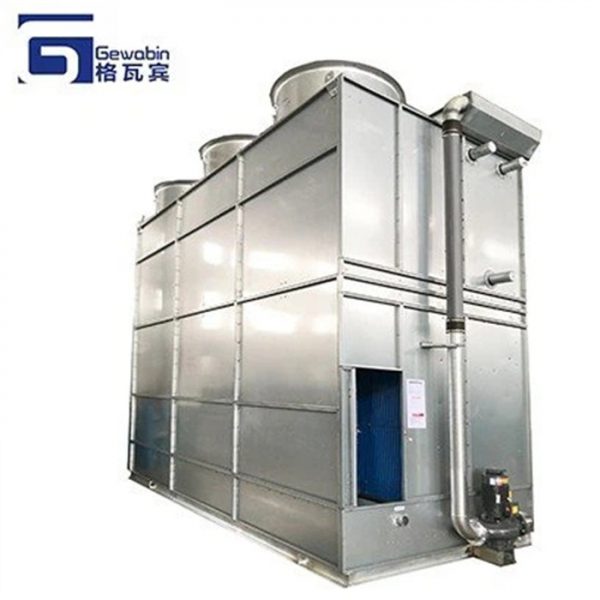
Cooling towers are essential components in industrial refrigeration, HVAC systems, power plants, and manufacturing facilities, where they remove excess heat and maintain stable operating temperatures. Their performance directly affects system efficiency, energy consumption, and equipment reliability. While cooling tower design and maintenance are important, external climate conditions also have a significant influence on overall performance. Factors such as temperature, humidity, wind, seasonal changes, and water quality can all affect how efficiently a cooling tower operates. Understanding these environmental influences helps businesses optimize system performance and ensure reliable operation throughout the year. The most important climate factor affecting cooling tower performance is the ambient wet-bulb temperature. Unlike air-cooled systems, which depend mainly on dry-bulb temperature, cooling towers rely on the principle of evaporative cooling. The wet-bulb temperature represents the lowest temperature that water can theoretically reach through evaporation. When the wet-bulb temperature is low, evaporation occurs more efficiently, allowing the cooling tower to reject more heat. However, as the wet-bulb temperature rises, the cooling capacity decreases because the air can absorb less moisture. This is why cooling towers generally perform better in cooler and drier climates than in hot and humid environments.
Ambient air temperature also plays an important role in cooling efficiency. During periods of high outdoor temperatures, the temperature difference between the hot circulating water and the surrounding air becomes smaller, making heat transfer less effective. As a result, the cooling tower may need to work harder by increasing fan speed or water circulation to maintain the required cooling performance. In contrast, cooler weather improves heat rejection, allowing the system to operate more efficiently while consuming less energy. Humidity is another major factor that directly influences evaporative cooling. Since cooling towers remove heat by evaporating a small portion of circulating water, dry air provides ideal conditions for evaporation. In regions with low humidity, water evaporates more readily, resulting in greater cooling efficiency. Conversely, high humidity reduces the evaporation rate because the air is already saturated with moisture. This can increase the temperature of the cooled water returning to the system, potentially affecting the performance of industrial processes and refrigeration equipment.
Seasonal climate variations require cooling towers to adapt to changing operating conditions. During summer months, increased temperatures and higher cooling loads place additional demands on the system. Proper equipment sizing and efficient control systems help maintain stable performance during these peak conditions. In winter, however, extremely low temperatures may create the risk of freezing. Ice formation on fill media, drift eliminators, or water distribution systems can restrict airflow and reduce cooling efficiency. To prevent these issues, many cooling towers are equipped with freeze protection features such as variable-speed fans, basin heaters, and automated water bypass controls. Wind conditions can also impact cooling tower operation. Strong winds may disrupt the intended airflow through the tower, reducing heat transfer efficiency and causing uneven cooling. Crosswinds can create airflow imbalances that reduce overall performance, while excessive wind may increase water losses through drift. Proper installation, strategic equipment placement, and the use of wind barriers can help minimize these effects and maintain consistent cooling performance.
Airborne contaminants such as dust, sand, leaves, and industrial pollutants are additional climate-related challenges. These particles can accumulate on cooling tower fill, spray nozzles, drift eliminators, and heat exchange surfaces, reducing airflow and heat transfer efficiency. Facilities located in dusty or industrial environments should implement regular cleaning schedules and install effective filtration systems to prevent debris buildup and maintain optimal system performance. Climate conditions also influence water quality, which directly affects cooling tower efficiency. In warmer regions, biological growth such as algae and bacteria develops more rapidly, increasing the risk of fouling and reduced heat transfer. Areas with hard water may experience greater mineral scaling, while coastal environments expose equipment to salt that accelerates corrosion. Proper water treatment, routine water quality monitoring, and corrosion-resistant materials are essential for maintaining reliable performance under different environmental conditions.
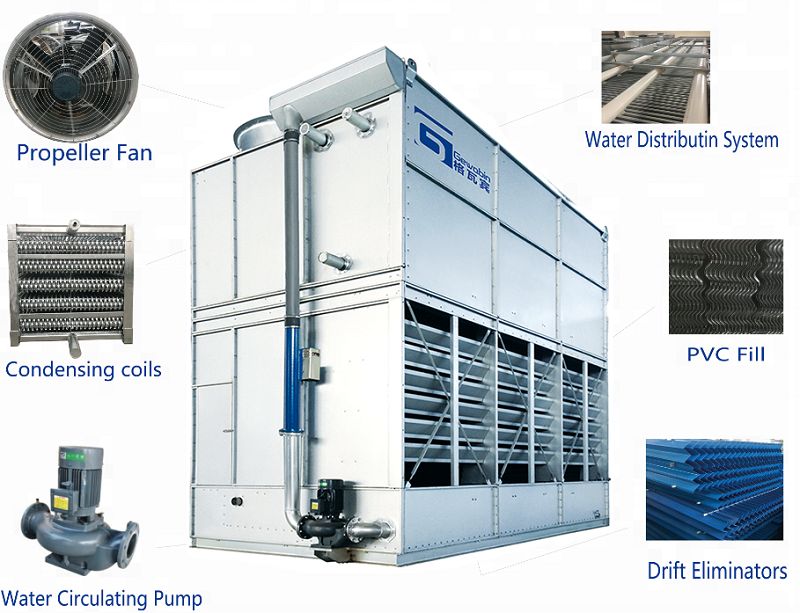
Modern cooling towers incorporate advanced technologies to compensate for changing climate conditions. Variable frequency drives (VFDs), intelligent control systems, and automated monitoring equipment continuously adjust fan speed, water flow, and operating parameters according to real-time environmental conditions. These smart technologies improve energy efficiency while ensuring consistent cooling performance throughout the year. By responding automatically to changing weather conditions, modern cooling systems can reduce operating costs without compromising reliability. Selecting the appropriate cooling tower design is equally important for adapting to local climate conditions. Counter flow and cross flow cooling towers each offer advantages depending on the operating environment. Material selection, fill design, drift eliminators, and water distribution systems should also be chosen based on regional weather patterns and application requirements. Working with an experienced manufacturer allows businesses to customize cooling equipment for maximum performance under specific climate conditions.
In conclusion, climate conditions have a profound impact on cooling tower performance, influencing heat transfer efficiency, energy consumption, water usage, and overall system reliability. Factors such as wet-bulb temperature, ambient temperature, humidity, wind, seasonal changes, airborne contaminants, and water quality must all be considered when selecting and operating cooling equipment. By understanding these environmental influences and implementing appropriate design, maintenance, and control strategies, businesses can maximize cooling tower efficiency, reduce operating costs, and ensure dependable performance in a wide range of industrial applications.