Selecting the Right Materials for Long-Lasting Refrigeration Equipment
The reliability and service life of refrigeration equipment depend greatly on the materials used in its construction. Industrial refrigeration systems often operate under demanding conditions, including extreme temperatures, moisture exposure, pressure variations, and contact with different refrigerants. Choosing the right materials for components such as evaporative condensers, cooling towers, heat exchangers, condenser coils, and refrigeration accessories is essential for ensuring long-term performance, reducing maintenance costs, and improving overall system efficiency. Material selection is not only about durability but also about thermal performance, corrosion resistance, compatibility with refrigerants, and environmental adaptability. High-quality materials help refrigeration equipment maintain stable operation even in challenging industrial environments, making them a key factor in achieving reliable and energy-efficient cooling solutions.
One of the most important considerations when selecting materials for refrigeration equipment is thermal conductivity. Efficient heat transfer is essential for components such as condenser coils, evaporators, and heat exchangers because these parts are responsible for removing or absorbing heat during the refrigeration cycle. Materials with excellent thermal conductivity, such as copper and aluminum, are commonly used because they allow heat to move efficiently between the refrigerant and the surrounding cooling medium. Improved heat transfer performance helps reduce energy consumption and allows refrigeration systems to operate more effectively. Corrosion resistance is another critical factor, especially for industrial refrigeration applications. Cooling equipment is frequently exposed to water, humidity, chemicals, and outdoor conditions, all of which can accelerate corrosion. Corrosion can damage coils, piping, structural components, and internal surfaces, leading to leaks, reduced efficiency, and premature equipment failure. Stainless steel is widely used in harsh environments because of its excellent corrosion resistance and mechanical strength. For applications involving chemicals, salt exposure, or high humidity, corrosion-resistant materials can significantly extend equipment lifespan.
The compatibility between materials and refrigerants must also be carefully considered. Different refrigerants have unique chemical properties that may affect certain materials over time. For example, ammonia refrigeration systems require materials that can withstand ammonia exposure, while systems using newer environmentally friendly refrigerants may have different pressure and compatibility requirements. Selecting materials that are chemically stable with the refrigerant ensures safe operation and prevents issues such as corrosion, leakage, or reduced system performance. Mechanical strength is equally important for industrial refrigeration equipment. Components such as pressure vessels, condenser coils, and piping systems must withstand internal pressure, temperature fluctuations, vibration, and continuous operation. Materials with high strength and structural stability help prevent deformation and failure under demanding conditions. This is especially important in large-scale refrigeration systems where equipment operates continuously and unexpected failures can result in significant production losses.

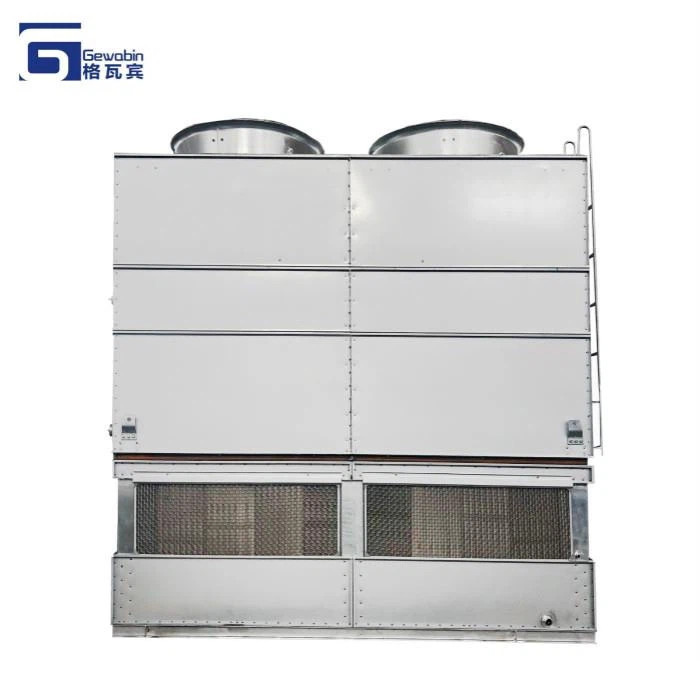
Environmental conditions also influence material selection. Equipment installed in coastal regions may require additional protection against salt corrosion, while systems operating in dusty or chemical environments need materials that resist contamination and chemical attack. For outdoor cooling towers and evaporative condensers, protective coatings, galvanized steel, stainless steel, and other specialized materials can help maintain performance despite exposure to changing weather conditions. For components such as cooling tower fill packing and drift eliminators, material selection focuses on durability, chemical resistance, and efficient airflow management. High-quality PVC materials are commonly used because they are lightweight, resistant to corrosion, and capable of maintaining performance in wet operating conditions. Properly selected materials allow these components to support efficient heat exchange while reducing replacement frequency.
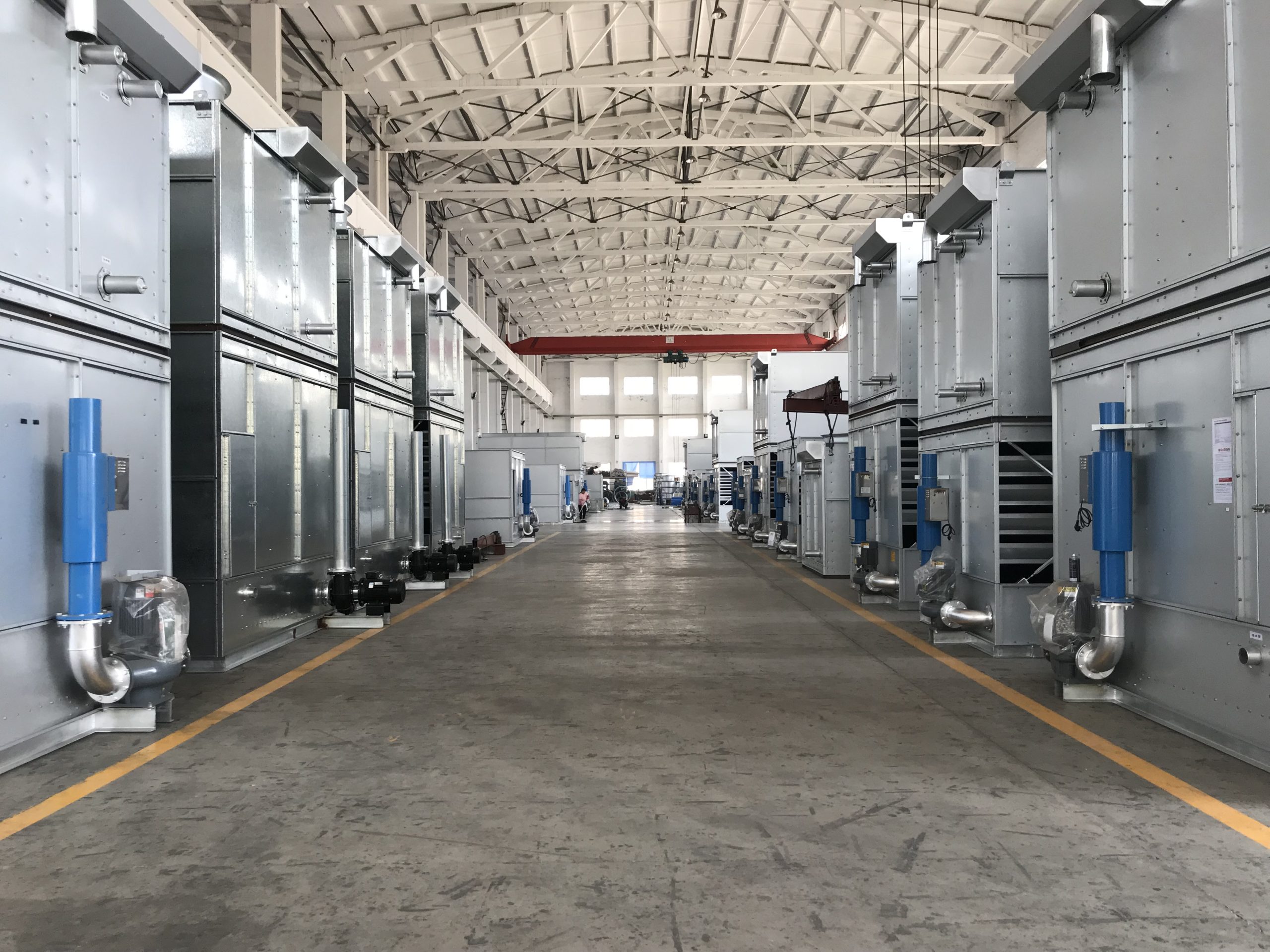
Manufacturing quality is another factor that determines how effectively materials perform in refrigeration equipment. Even the best materials require advanced processing techniques and strict quality control to achieve reliable results. Modern manufacturing methods such as precision CNC machining, automated welding, and standardized production processes help ensure that materials maintain their designed strength and performance characteristics. A skilled manufacturing team plays an important role in transforming high-quality materials into dependable refrigeration solutions. The use of durable materials also contributes to sustainability. Longer-lasting refrigeration equipment reduces the need for frequent replacement, lowering material consumption and waste generation. In addition, efficient materials improve heat transfer performance, helping reduce energy usage throughout the equipment’s operational life. This supports both environmental goals and long-term cost savings for industrial users.
Customization is another important advantage when selecting materials for refrigeration equipment. Different industries have different requirements, and customized material solutions can provide better performance for specific applications. For example, food processing facilities may prioritize hygiene and corrosion resistance, while chemical plants may require stronger protection against aggressive substances. Working with an experienced refrigeration equipment manufacturer allows businesses to choose materials that best match their operating conditions. In conclusion, selecting the right materials is essential for building long-lasting refrigeration equipment. Factors such as thermal conductivity, corrosion resistance, refrigerant compatibility, mechanical strength, and environmental conditions all influence equipment reliability and efficiency. By investing in high-quality materials and professional manufacturing processes, businesses can achieve refrigeration systems that deliver stable performance, lower maintenance costs, improved energy efficiency, and extended service life in demanding industrial applications.