The Benefits of Closed-Loop Cooling Systems in Industrial Applications
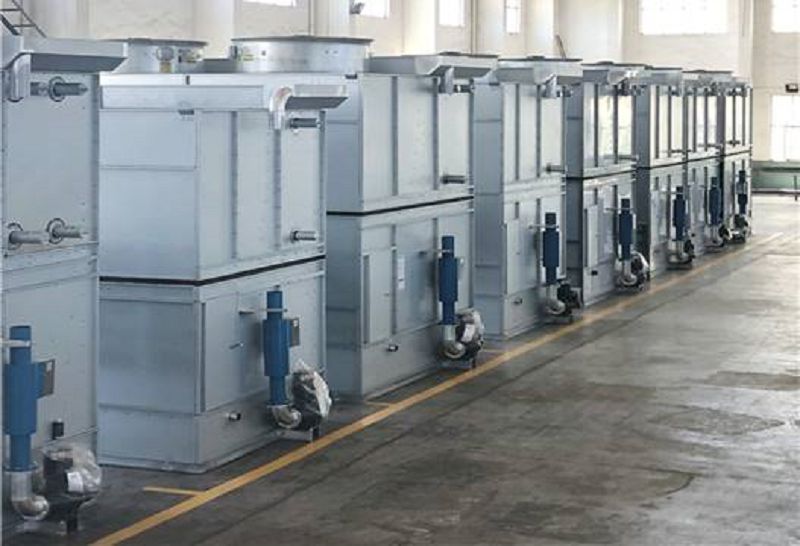
Industrial processes generate significant amounts of heat that must be effectively managed to ensure stable production, equipment reliability, and energy efficiency. From chemical manufacturing and food processing to power generation and metal fabrication, maintaining the proper operating temperature is essential for productivity and product quality. Among the various cooling methods available, closed-loop cooling systems have become one of the most reliable and efficient solutions for modern industrial applications. By circulating the same cooling fluid within a sealed system, these systems offer numerous advantages over traditional open-loop cooling methods. A closed-loop cooling system operates by continuously circulating a cooling fluid through industrial equipment and a heat rejection device, such as a closed circuit cooling tower or heat exchanger. Because the cooling fluid remains enclosed within the system, it is isolated from direct contact with the outside environment. This design minimizes contamination, reduces maintenance requirements, and provides consistent cooling performance even in demanding industrial conditions.
One of the most significant benefits of closed-loop cooling systems is improved water quality. Since the cooling fluid is sealed within the circuit, it is protected from airborne dust, debris, microorganisms, and other contaminants that commonly enter open cooling systems. Cleaner cooling fluid helps maintain efficient heat transfer and reduces the accumulation of scale, sludge, and biological growth inside pipes and heat exchangers. As a result, industrial equipment operates more efficiently and requires less frequent cleaning. Corrosion prevention is another major advantage of closed-loop cooling systems. In open systems, continuous exposure to oxygen and impurities accelerates corrosion of metal components, reducing equipment lifespan and increasing maintenance costs. Closed-loop systems significantly limit oxygen exposure, slowing the corrosion process and protecting critical components such as pumps, condenser coils, valves, and piping. This improved protection contributes to longer equipment life and greater system reliability.
Energy efficiency is also enhanced with closed-loop cooling systems. Clean cooling fluid allows heat exchangers and condensers to maintain optimal thermal performance, reducing the workload on compressors, pumps, and fans. Because the system experiences less fouling and scaling, heat transfer remains efficient over long operating periods. Lower energy consumption not only reduces operating costs but also supports sustainability initiatives by decreasing greenhouse gas emissions associated with electricity generation. Water conservation has become increasingly important as industries seek to reduce resource consumption and comply with environmental regulations. Closed-loop cooling systems require significantly less makeup water than many open cooling systems because the same cooling fluid is continuously recirculated. Water losses are limited primarily to evaporation or occasional maintenance activities. This efficient use of water helps industries lower utility costs while supporting responsible environmental management.

Maintenance requirements are substantially reduced in closed-loop cooling systems. Since contaminants are kept out of the cooling circuit, components remain cleaner for longer periods. Maintenance teams spend less time removing scale, replacing corroded parts, or repairing equipment damaged by poor water quality. Routine inspections and water treatment are still important, but overall maintenance costs and downtime are significantly lower compared to open-loop systems. Another key benefit is enhanced process stability. Many industrial processes require precise temperature control to ensure product quality and operational consistency. Closed-loop cooling systems provide stable and predictable cooling performance because the cooling fluid remains clean and the system is less affected by changing environmental conditions. This reliability is especially valuable in industries such as pharmaceuticals, food processing, electronics manufacturing, and chemical production, where even small temperature variations can impact product quality.
Closed-loop systems also offer greater flexibility for a wide range of industrial applications. They can be integrated with evaporative condensers, closed circuit cooling towers, dry coolers, or plate heat exchangers depending on specific operational requirements. This adaptability allows businesses to customize their cooling solutions according to available space, climate conditions, cooling capacity, and energy efficiency goals. Modular designs also make future system expansion easier as production demands increase. Environmental compliance is another important consideration. Many regions have implemented stricter regulations regarding water usage, wastewater discharge, and chemical treatment. Closed-loop cooling systems help businesses meet these requirements by minimizing water consumption, reducing chemical usage, and limiting environmental contamination. Their efficient operation supports corporate sustainability initiatives while improving regulatory compliance and environmental performance.
Long-term cost savings make closed-loop cooling systems an attractive investment. Although the initial installation cost may be higher than some traditional cooling methods, the reduction in maintenance expenses, water consumption, energy use, and equipment replacement costs provides significant financial benefits over the system's lifetime. Improved operational reliability also reduces the risk of unexpected shutdowns, protecting production schedules and minimizing costly interruptions. In conclusion, closed-loop cooling systems offer numerous advantages for industrial applications by combining efficient cooling with improved water quality, corrosion protection, energy savings, and reduced maintenance. Their ability to deliver consistent performance while conserving resources makes them an ideal solution for modern industrial facilities seeking greater operational efficiency and sustainability. As industries continue to prioritize environmental responsibility and long-term reliability, closed-loop cooling systems will remain a key technology for supporting efficient and sustainable industrial cooling operations.