The Impact of Climate Conditions on Cooling Tower Performance
Cooling towers are essential heat rejection devices used in industrial refrigeration systems, power plants, manufacturing facilities, HVAC systems, and chemical processing plants. Their primary function is to remove excess heat from circulating water, allowing equipment and industrial processes to operate efficiently. However, cooling tower performance is not determined solely by its design or capacity. Climate conditions have a significant influence on how effectively a cooling tower operates. Understanding these environmental factors enables businesses to optimize system performance, improve energy efficiency, and ensure reliable operation throughout the year. One of the most important climate factors affecting cooling tower performance is the ambient wet-bulb temperature. Unlike air-cooled systems that rely mainly on dry-bulb temperature, cooling towers operate based on evaporative cooling, making wet-bulb temperature the primary indicator of cooling efficiency. A lower wet-bulb temperature allows more water to evaporate, resulting in greater heat rejection and improved cooling performance. Conversely, when the wet-bulb temperature is high, the cooling tower has less capacity to remove heat, which may reduce overall system efficiency and increase the load on refrigeration equipment.
Ambient air temperature also plays a significant role in cooling tower operation. During hot summer months, the temperature difference between the circulating water and surrounding air decreases, making heat transfer less efficient. As a result, cooling systems may require higher fan speeds or increased water circulation to maintain the desired cooling capacity. Proper system design and equipment sizing help ensure that cooling towers continue to perform effectively even during periods of elevated temperatures. Humidity is another critical environmental factor. Since cooling towers rely on the evaporation of water to remove heat, high humidity reduces the air's ability to absorb additional moisture. In humid climates, evaporation occurs more slowly, reducing cooling efficiency and increasing the temperature of the cooled water leaving the tower. In contrast, dry climates provide ideal conditions for evaporative cooling because the air can absorb more moisture, allowing the cooling tower to achieve higher thermal performance with lower energy consumption.
Seasonal weather changes can also influence cooling tower performance. During colder months, cooling towers often operate more efficiently due to lower ambient temperatures and reduced wet-bulb temperatures. However, freezing conditions introduce new challenges. Ice formation on fill media, drift eliminators, or air inlets can restrict airflow and reduce system performance. To prevent freezing, cooling towers may require freeze protection measures such as variable-speed fan controls, basin heaters, or automatic bypass systems that maintain proper water temperatures during winter operation. Wind conditions can significantly affect cooling tower efficiency as well. Strong winds may disrupt normal airflow patterns through the tower, reducing heat transfer efficiency and increasing water losses through drift. Crosswinds can also cause uneven air distribution, creating areas of reduced cooling performance. Proper installation, wind barriers, and optimized tower placement help minimize the effects of wind and maintain stable operation.

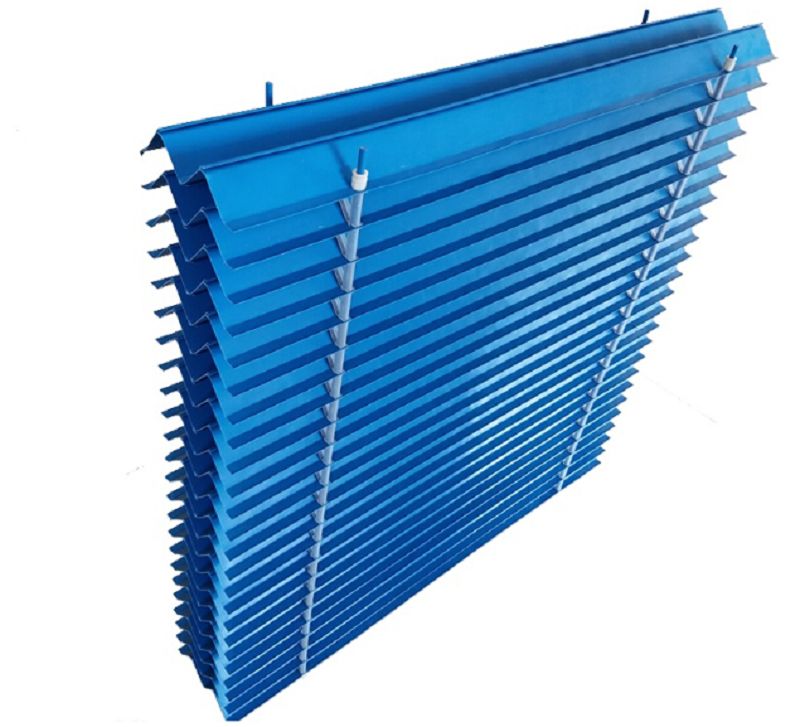
Dust, sand, pollen, and airborne debris are additional environmental factors that should be considered, particularly in arid or industrial regions. These particles can accumulate on fill packing, drift eliminators, spray nozzles, and heat exchange surfaces, reducing airflow and heat transfer efficiency. Regular maintenance, filtration systems, and routine cleaning help prevent debris buildup and ensure consistent cooling performance regardless of local environmental conditions. Water quality is often influenced by regional climate as well. Areas with high mineral content in water supplies are more susceptible to scaling, while warm climates may promote biological growth such as algae and bacteria. Both scaling and biological contamination reduce heat transfer efficiency and increase maintenance requirements. Implementing effective water treatment programs and monitoring water chemistry are essential for maintaining reliable cooling tower operation under varying climate conditions.
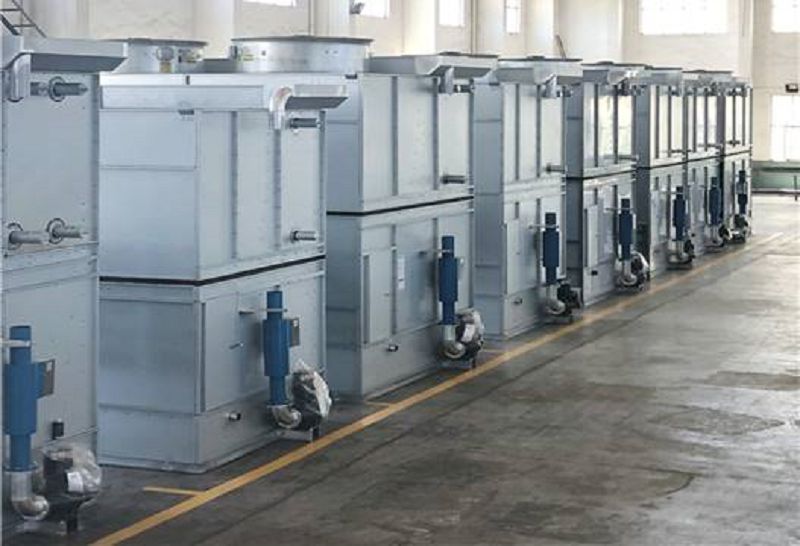
Climate conditions also affect the energy efficiency of cooling tower systems. In favorable weather conditions with lower temperatures and humidity, cooling towers require less fan power to achieve the desired cooling performance. During periods of extreme heat or humidity, however, fans and pumps may need to operate at higher capacities, increasing energy consumption. Modern cooling towers equipped with variable frequency drives (VFDs), automated controls, and intelligent monitoring systems can adjust operation according to real-time environmental conditions, optimizing energy use while maintaining stable performance. Proper equipment selection is crucial when designing cooling systems for specific climate conditions. Manufacturers often customize cooling towers based on local weather patterns, operating temperatures, humidity levels, and environmental challenges. Choosing the appropriate tower configuration, fill media, materials, and airflow design ensures reliable operation throughout the year. For example, corrosion-resistant materials may be necessary in coastal environments, while freeze-resistant designs are more suitable for cold climates.
In conclusion, climate conditions have a direct and significant impact on cooling tower performance. Factors such as wet-bulb temperature, ambient temperature, humidity, seasonal changes, wind, airborne contaminants, and water quality all influence cooling efficiency, energy consumption, and system reliability. By understanding these environmental effects and selecting appropriately designed cooling equipment, businesses can maintain consistent performance, reduce operating costs, and extend the lifespan of their cooling systems. As industries continue to prioritize efficiency and sustainability, adapting cooling tower systems to local climate conditions will remain an essential strategy for achieving long-term operational success.